Source servo gear metering pump for Automotive, Industrial, Chemical
Find 30 servo gear metering pump options with flow rates up to 50 m³/h and pressures up to 100 bar. Buyers can compare specifications including motor types, sealing materials, and chemical compatibility for automotive, industrial, and chemical applications.
Key considerations
Products List
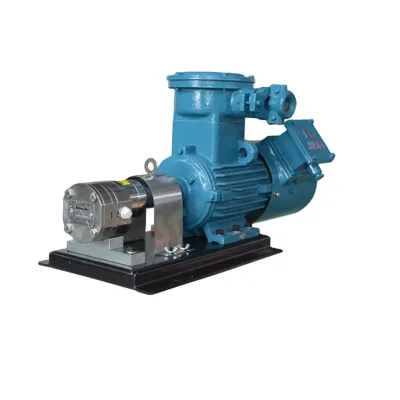
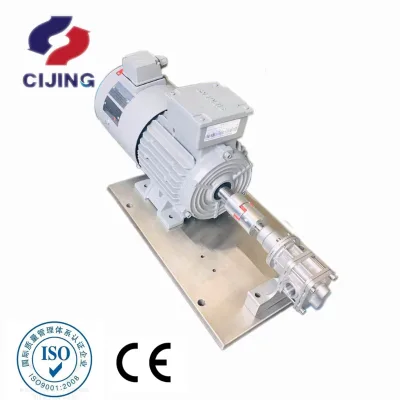
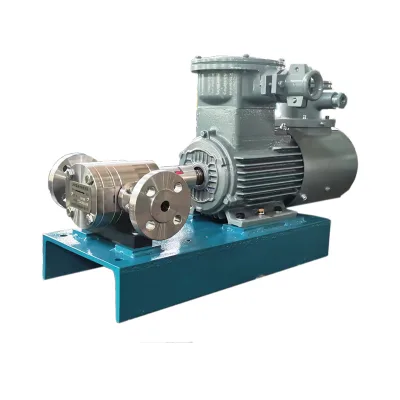
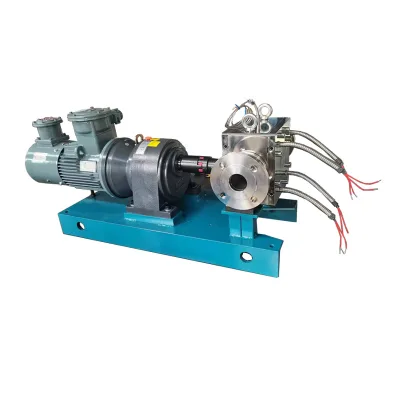


Comprehensive Sourcing Guide
Strategic Sourcing Guide for Servo Gear Metering Pumps
Understanding the Technical Architecture of Servo Gear Metering Pumps
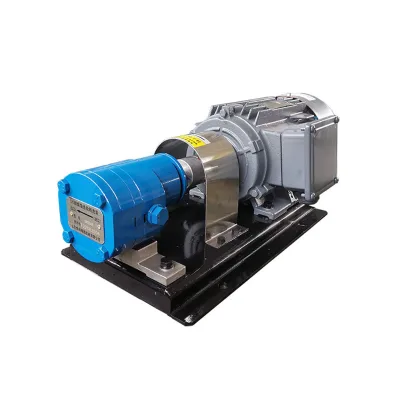
The procurement of servo gear metering pumps requires a precise understanding of their mechanical architecture and operational parameters. These devices are fundamentally classified as positive displacement pumps, specifically designed for the high-precision transfer of fluids where flow rate accuracy is critical. The core mechanism relies on the meshing of gears, typically constructed from durable materials such as tool steel or stainless steel, to move fluid from the inlet to the outlet with minimal slip. In the context of servo-driven systems, the pump is often paired with a specialized motor, such as a servo motor, stepper motor, or DC motor, to allow for dynamic control of the rotation speed and, consequently, the flow rate.
A critical observation in the current market for these units is the variability in flow specifications. While some units are rated with a maximum flow rate ranging from 0.1 to 50 cubic meters per hour, specific configurations may offer a flow meter specification of 1-10 cubic meters per hour. The suction head capability is another vital technical parameter, with observed specifications indicating a capacity of up to 3 meters. This limitation dictates the installation height relative to the fluid source. Furthermore, the pumps are engineered to handle fluids with a wide range of viscosities, with some models capable of managing viscosities up to 1,000,000 centipoise (cps). This high-viscosity tolerance makes them suitable for applications involving heavy oils, adhesives, or complex chemical mixtures.
The pressure capabilities of these pumps vary significantly based on the specific model series. Buyers must distinguish between low-pressure units operating between 1 and 100 bar and those specifically rated for a maximum pressure of 0.1 to 10 bar. The maximum head for certain models can reach up to 70 meters, which is a crucial factor for vertical transport applications. The sealing mechanism is equally important; magnetic seals and stainless steel components are frequently utilized to prevent leakage, particularly when handling hazardous or volatile chemicals. The chemical compatibility extends to substances such as alcohols and various oils, ensuring the integrity of the pump materials against corrosion.
Compliance, Certification, and Material Standards
When sourcing industrial equipment, verifying compliance with international standards and material certifications is non-negotiable. The supply chain for servo gear metering pumps often includes products that adhere to quality management systems such as ISO9001:2008. While this certification indicates a robust quality management framework, buyers must verify that the specific batch or unit being purchased carries this validation, as it is not an inherent property of the pump type itself but a supplier attribute.
Material selection is a primary driver of both performance and compliance. The impeller and internal components are frequently manufactured from stainless steel to ensure resistance to corrosion and chemical attack. In some configurations, the filter material may be specified as gravel, which serves a specific filtration role within the system. The sealing materials often include magnetic components and stainless steel, which are essential for maintaining a leak-free environment, especially in applications where the outlet water or oil content must be kept below 10mg/l.
Surface treatment processes also play a role in compliance and longevity. Hot dip galvanizing is a common treatment observed in related industrial components, providing a robust barrier against environmental degradation. For the pump body and external fittings, the material may be a combination of tool steel and stainless steel, balancing strength with chemical resistance. Buyers should explicitly request material test reports (MTRs) to confirm that the stainless steel grade matches the application requirements, particularly when dealing with aggressive chemical environments.
The electrical components must also meet safety standards. Motors used in these pumps can range from single-phase and three-phase AC motors to explosion-proof motors and DC motors. The voltage specifications typically align with industrial standards such as 220V or 380V. In hazardous environments, the use of explosion-proof motors is a critical compliance requirement to prevent ignition of flammable vapors. The control method, whether fully automatic, manual, or semi-automatic, must be compatible with the facility's existing safety protocols and automation infrastructure.
Cost Drivers and Pricing Dynamics
The pricing of servo gear metering pumps is influenced by a complex matrix of technical specifications, material costs, and customization levels. The observed market price range for these units spans from 20 to 30,000 USD, reflecting the vast difference between basic manual models and highly sophisticated, servo-controlled, automated systems. The primary cost driver is the motor type; a standard single-phase motor will result in a significantly lower price point compared to a high-precision servo motor or an explosion-proof motor designed for hazardous areas.
Customization is another major factor affecting the final cost. Specifications such as cable length, horsepower, and outlet size are often customizable. For instance, a pump with a customized cable length or a specific outlet size like 1/2" or 1/4" may incur additional tooling or assembly costs. The model number series, ranging from A/B/C/D/E/F/ZS, often correlates with the complexity and feature set of the pump. Higher series numbers or specific configurations may command a premium due to advanced engineering and tighter tolerances.
The Minimum Order Quantity (MOQ) also impacts the unit economics. While some suppliers offer an MOQ of just one piece, others may require orders of up to 50 pieces. Purchasing in larger volumes can often negotiate a lower unit price, but the initial investment for a single unit remains a significant consideration for small-scale projects. Additionally, the single gross weight of 15.0 kg and the single package size of 60x50x45 cm influence shipping costs, which can be a substantial hidden cost in the total procurement budget, especially for international shipments from manufacturing hubs like Shandong, China.
Typical Applications and Operational Environments
Servo gear metering pumps are versatile assets deployed across various industrial sectors. A primary application area is the automotive industry, where precision fluid delivery is essential for painting, coating, and adhesive application processes. The ability to control flow rates accurately ensures consistent product quality and minimizes material waste. In industrial utilities, these pumps are utilized for transferring water, oils, and other fluids where precise metering is required for process control.
The chemical industry is another significant domain for these pumps. Their chemical compatibility with alcohols and oils, combined with high-viscosity handling capabilities, makes them ideal for dosing additives, mixing agents, and transferring raw materials in chemical processing plants. The maximum operating temperature of less than 300°C allows them to function in high-temperature environments, provided the materials selected are suitable for the specific thermal conditions.
The outlet water oil content specification of 10mg/l suggests applications in environmental monitoring or water treatment facilities where strict purity standards must be maintained. In such scenarios, the pump's ability to deliver a clean, consistent flow without contamination is paramount. The application of these pumps in industrial utilities often involves the management of complex fluid dynamics, where the combination of a servo motor and a gear pump structure provides the necessary responsiveness to changing process demands.
Supplier Evaluation and Selection Criteria
Evaluating suppliers for servo gear metering pumps requires a rigorous assessment of their technical capabilities and production history. Buyers should prioritize suppliers who demonstrate a clear understanding of the specific application requirements, such as the need for a specific flow rate, pressure rating, or chemical compatibility. The brand name, whether it is HRT, UKFLOW, or another manufacturer, should be verified against the supplier's authorization status to ensure authenticity.
The place of origin is a relevant factor in the evaluation process. Many units originate from Shandong, China, a region known for its manufacturing capabilities. However, the location of the supplier's facility should be cross-referenced with their ability to provide after-sales support and technical assistance. A supplier with a local presence or a robust logistics network can significantly reduce lead times and improve communication.
The warranty period is a critical indicator of supplier confidence. A standard warranty of one year is commonly observed, but buyers should scrutinize the terms and conditions of this warranty. Does it cover the motor, the pump body, or both? Are there exclusions for wear and tear or improper installation? Understanding these details is essential for risk management.
Furthermore, the supplier's ability to provide customized support, such as OEM services, is a key differentiator. Suppliers that offer flexible customization options for cable length, motor type, and outlet size demonstrate a higher level of adaptability to buyer needs. The connection type, whether fixed coupling or flexible coupling, should also be discussed to ensure compatibility with existing piping systems.
Quality Control and Long-Term Procurement Considerations
Ensuring the quality of servo gear metering pumps involves a multi-stage verification process. Buyers should implement strict quality control measures that include visual inspections, dimensional checks, and performance testing. The dwell time of 12 hours observed in some testing protocols suggests that prolonged operation tests may be part of the quality assurance process. Buyers should request test reports that verify the pump's performance under load, including flow rate accuracy, pressure stability, and leakage checks.
Long-term procurement considerations extend beyond the initial purchase price. The availability of spare parts, such as impellers, seals, and motors, is crucial for maintaining operational continuity. The material specifications, such as the use of stainless steel and polypropylene membranes, should be verified to ensure they meet the longevity requirements of the application. The hardness of the components, measured at 40 Shore A for certain materials, indicates the durability and resistance to wear.
The control method, whether fully automatic, manual, or semi-automatic, should be evaluated for its long-term maintenance requirements. Automated systems may require more frequent calibration and software updates, while manual systems may demand more operator intervention. The voltage and motor specifications must be compatible with the facility's power infrastructure to avoid costly retrofits.
Finally, the procurement strategy should account for the potential for future expansion or process changes. Selecting a pump with a wide range of adjustable parameters, such as a flow rate range of 0.1 to 50 m³/h, can provide flexibility for future needs. The single package size and gross weight should be considered for storage and handling logistics, ensuring that the facility has the necessary infrastructure to receive and store the equipment efficiently. By focusing on these technical, compliance, and operational factors, buyers can make informed decisions that optimize both immediate performance and long-term value.
FAQs
What materials are used for the impeller and sealing components?
The impeller is made of stainless steel, while sealing materials include magnetic components and stainless steel. These materials ensure resistance to corrosion and prevent leakage when handling chemicals like alcohols and oils.
Can the pump handle high viscosity fluids up to one million cps?
Yes, the pump is designed to handle viscosities up to 1,000,000 centipoise. This capability makes it suitable for transferring heavy oils, adhesives, and complex chemical mixtures in industrial applications.
Which motor types are available for this gear metering pump?
Available motor types include DC, servo, stepper, single-phase, three-phase, and explosion-proof motors. The choice depends on the specific control requirements and safety standards of the application environment.
What is the maximum pressure rating for these pumps?
Maximum pressure ratings vary, with some models operating between 0.1 to 10 bar and others up to 100 bar. Buyers must select the specific model series that matches their system pressure requirements.
How does the suction head capacity affect installation height?
The observed suction head capacity is 3 meters, which dictates the maximum vertical distance the pump can lift fluid from the source. Installation must ensure the fluid source remains within this 3-meter limit.
What certifications do the manufacturers typically hold?
Manufacturers often hold ISO9001:2008 certification, indicating a robust quality management framework. Buyers should verify that the specific unit or batch carries this validation before finalizing the procurement.